


Handcrafted Revival: Jewish Artists Choosing Substance Over Sparkle
A sense of quiet transformation is sweeping through Israel’s ateliers and workshops. This year, handcraft—ceramics, textiles, and artisan creations-has stepped out of the shadow of transient trends and reasserted its relevance in the art world. Discerning collectors and younger audiences alike are seeking tangible connections, and artists are responding by rediscovering the honest appeal of clay, fibre, and crafted tradition.
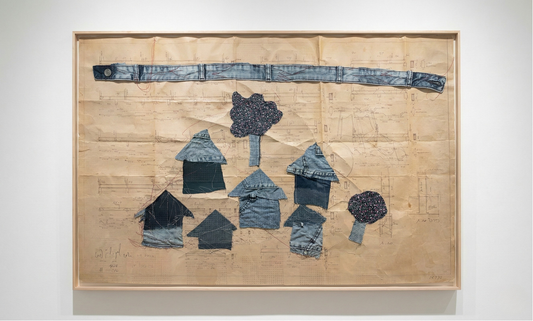
Artisans today report a surge of interest in physical processes and natural materials, a marked shift from past obsessions with glossy finishes and digital perfection. Ceramicists shape clay not as nostalgia, but as a meditative protest against disposability. Textile artists revive weaving, hand embroidery, and macramé with a contemporary edge, restoring slow, manual devotion to the centre of the art conversation. These trends suggest not regression, but maturation-a pivot, as one curator notes, “from momentary glamour to lasting meaning”.
For Jewish artists, this movement has become inseparable from cultural renewal. Studios from Jerusalem to Los Angeles are blending old and new, reimagining ritual objects such as mezuzahs and hamsas—now crafted with upcycled fibres, Hebrew lettering, and minimalist geometries. Designers draw freely on Bauhaus and traditional Judaica, constructing pieces that speak to both history and innovation.“The thread is memory, but the hand is of the present,” remarks one Jerusalem artist. Embroidery is no longer simply decorative; it becomes a site of dialogue, where the sacred and the everyday converge. Handmade ritual objects are leading Judaica market trends, as buyers bring not only crafted heirlooms home, but stories of resilience and hope.
This return to handwork is as much philosophical as aesthetic. Artists describe the studio as sanctuary—a place to slow time, shape meaning, and nurture a sense of agency that modern life too often disrupts. The beauty of imperfection, and the allure of raw material, are quietly subverting the cult of the instant and the disposable.
In sum, the prevalence of craft in today’s Israeli and Jewish art marks a refusal to forget tradition, even as it embraces change. Clay, fibre, and contemporary design combine in objects that invite both use and contemplation—timeless, tactile, and insistently personal. The handmade revival proves, as this year’s artists demonstrate, that substance and touch are the new standards for meaning in art.


